
ECOCHG TIP TRODES


75+
Clinics
15+
Years Experience
100+
Audiologists
Get Free Quotes
| Usage/Application |
Clinic |
| Model |
Tiptrode |
| Usage |
Laboratory, Medical College, Hospital, Clinic |
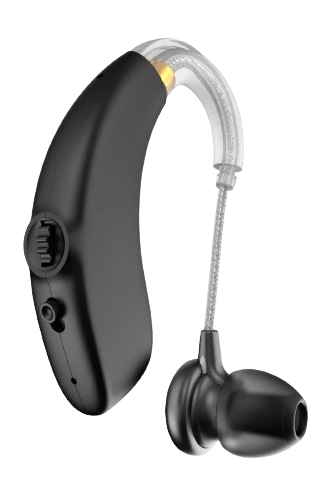
Hear the World Around You
At Clear Sound, we bring change in the way you approach wellness and care.
Frequently Asked Questions
The major hearing styles are IIC, CIC, ITC, ITE, BTE, RIC. All of them are in wired and wireless options. Now a days there is also option of hearing aids with Rechargeable batteries.
The cost of a hearing aid or aids really depends on the type of device required as well as added features and necessary professional services. Because everyone’s hearing problem is different, the price range varies from person to person and their choices.
If you have hearing loss in both ears the answer is YES! Research shows if someone with hearing loss in both ears only wears one hearing aid, their unaided ear is at great risk for increased and sometimes rapid auditory deprivation.
Hearing aids typically last about 5-6 years. We say this because of the tremendous advancements in technology. Hearing aids can last longer as long as they are properly taken care of and still appropriate for your lifestyle needs.